Curious about acupuncture? You’re not alone. It’s super popular. Widely recommended to help with pain. Stress. Sleep. Anxiety. Acupuncture has been around for thousands of years. It’s still widely used today. Does it work? Really? As someone who’s had several sessions, I can honestly say this. Those tiny needles work some serious magic. Here we’ll break down what acupuncture actually is. How it works. And why it’s the most widely used traditional medicine practice in the world.
Does Acupuncture Work? Insight Into an Ancient Practice
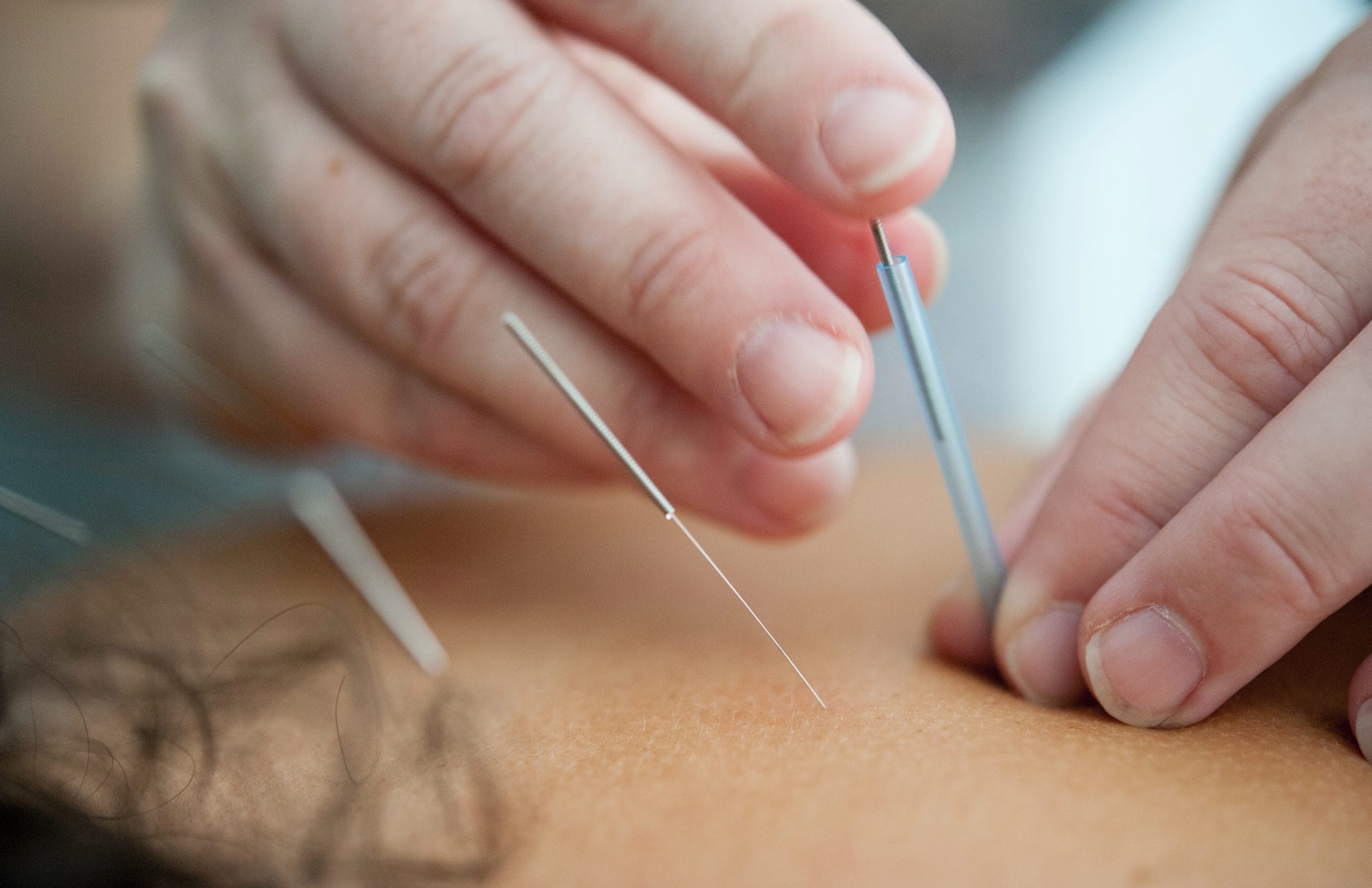
Acupuncture is old. Like old, old. It originated roughly 2,500 years ago. In ancient China, long before modern medicine. It made its debut in The Yellow Emperor’s Classic of Internal Medicine. Circa 100 BCE. It was described as an organized medicine system. Of prevention, diagnosis, and treatment. It’s an integral part of Traditional Chinese Medicine (TCM). Along with Chinese herbal medicine. Qigong. Tai Chi. Cupping. Tui Na (massage).
What is Acupuncture?
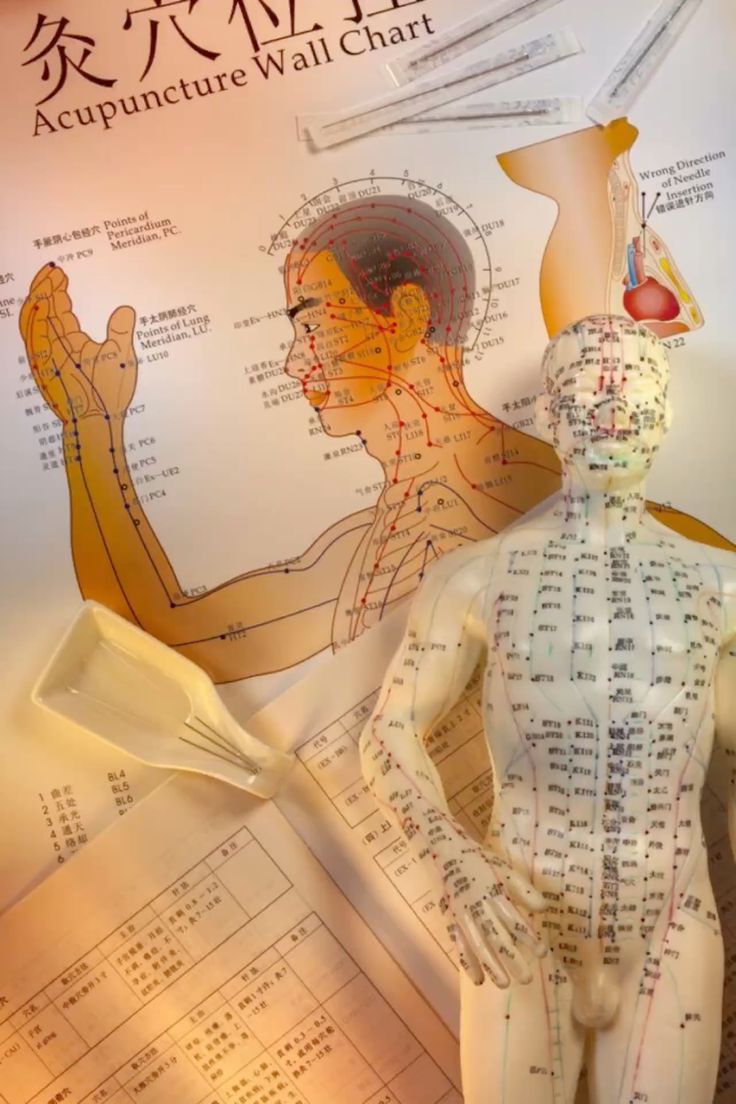
Technically, it involves placing tiny needles in the skin. This is done on specific points of the body. It was developed long before modern medical language existed, though. In ancient China, acupuncture was a way to support the body’s natural energy flow. Qi. Sometimes referred to as chi. When qi flows freely, you flow freely. You’re balanced. Strong. Resilient. Not so much when it gets stuck. Blocked or stagnant qi can show up as stress. Tension. Fatigue. Pain.
A licensed acupuncturist uses specific points along the body’s meridians. These are invisible energetic pathways in the body. You can’t see them. But this doesn’t mean they’re not there. These pathways support the flow of qi. There are 12 total meridians. Each is connected to a specific organ and function:
- Lung (energy use and respiratory function)
- Large intestine (waste elimination)
- Stomach (digestion and nourishment)
- Spleen (energy extracted from food and blood circulation)
- Small Intestine (nutrient and waste processing)
- Bladder (toxin removal and fluid balance)
- Kidney (energy storage and reproductive health)
- Pericardium (heart protection and emotional/spiritual well-being)
- Triple Burner (metabolism management)
- Liver (toxin processing and body balance)
- Gallbladder (digestive function and making decisions)
It’s like a complex network superhighway. That’s all connected. The flow of this energy is vital for vibrant health. Overall well-being. Healing. So, what does sticking tiny needles into the skin have to do with it? It’s simple. When energy gets stuck, stimulating these points can help it start moving again.
Here’s How Acupuncture Works
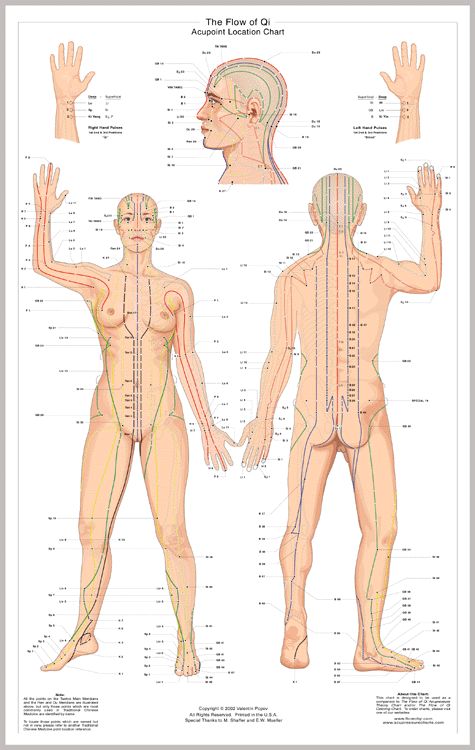
Here’s where energy healing meets modern science. Don’t believe in the whole “qi” thing? Maybe it seems a little woo-woo. But it’s not some new-age practice. It’s energy healing. That has a huge influence on the nervous system. When these tiny needles are inserted into specific points, nerves just beneath the skin are stimulated.
This activates the nervous system. Then, a flood of feel-good chemicals is released. Like serotonin and norepinephrine. Helping regulate stress. And boost mood. Endorphins are released. This is the body’s primary natural pain-reliever. It’s 10-200 times as potent as morphine. Adenosine. Another pain reliever that blocks pain signals. It’s released from slight tissue damage caused by needles.
Needles are placed in specific points. That correspond to different energetic pathways. Your unique needs and symptoms determine where needles are inserted. This helps restore flow. Stimulating these points is shown to aid in relaxation. Decrease inflammation. Improve blood flow. It’s safe. Non-invasive. Surprisingly gentle.
Some people relax almost immediately. Some even fall asleep during treatment. But doesn’t it hurt? Needles are poked into the skin, after all. The answer is almost always no. The needles are thin. Like very thin. Nothing like a shot. Not even like a thin sewing needle. Most people describe it as a warm pressure. Or nothing at all.
What Does Acupuncture Help With?
The main reason people get acupuncture? Pain relief. Maybe it’s lower back pain. Neck pain. Excruciating sciatica pain. Arthritis discomfort. Headaches. But it also helps with sleep. Stress. Anxiety. Acupuncture can even help release childhood trauma. Like the spinal network care (holistic chiropractic) we offer at Twin Waves Wellness Center, acupuncture is a whole-body approach to healing. It’s physical. Mental. Emotional. Energetic. Helps regulate the nervous system.
This is why it affects more than the area where the needle’s placed. For many people, it creates calm. For others, it could trigger an emotional release. I’ll never forget when one of my clients told me she realized her hip pain was related to trauma she’d experienced 20 years ago during an acupuncture session. Talk about some serious benefits of bodywork!
More studies are needed, for sure. But there’s a reason acupuncture has stuck around for close to 3,000 years. Decades of research and anecdotal results show some serious benefits. Like rapid pain relief. Better mobility. Improved circulation. Less inflammation. Reduced anxiety. It works well with chiropractic care. Both support the nervous system.
So, Does Acupuncture Work? A Realistic Answer
I get it. Sticking dozens of needles into the skin might not sound inviting. If you’ve never tried acupuncture, it’s easy to see how it could seem intimidating. Or like some kind of pseudoscience. But it’s backed by thousands of years of practice. And plenty of modern research. Countless patients report less pain. Better movement. Faster recovery time. A deeper sense of balance after sessions. It’s why we recommended acupuncture to many of our chiropractic clients. They enhance each other’s benefits. Pair super well together. If you’ve been curious, acupuncture is definitely worth exploring. It’s natural. It’s the most popular “alternative” treatment in the world for a good reason. It might just offer your body the reset it needs.