
Head injuries are scary. They can be life-threatening. If it’s happened to you, then you know. The first focus? Survival. Everything else comes second. It’s why loss of taste and smell after head injury is often overlooked. At least at first. Weeks can pass. Then you realize food tastes different. Familiar aromas aren’t there. Sure, it seems minor. But it’s a big deal. Impacting physical health. Emotions. Your safety.
Why Some People Experience a Loss of Taste and Smell After Head Injury

Taste and smell. Both give us ways to experience the world. Maybe they seem like different things. But taste and smell are connected. Intimately. They work together. If your smell is off, taste usually is too. It’s why loss of taste and smell after a head injury often occurs simultaneously. It’s caused by damage to specific parts of the brain. Those that govern how sensory information is processed. This changes the way you experience flavor. Sometimes, a head injury can eliminate them completely.
This is What Can Happen to Your Sense of Taste and Smell After a Head Injury
Head injuries can cause serious damage. Light and sound sensitivity. Vision problems. Dizziness. Tinnitus that causes constant ringing in the ears. One of the most common changes after suffering a head injury? Losing the sense of smell and taste. It happens frequently. Especially with sports injuries. But it’s typically unreported.
Loss of Smell
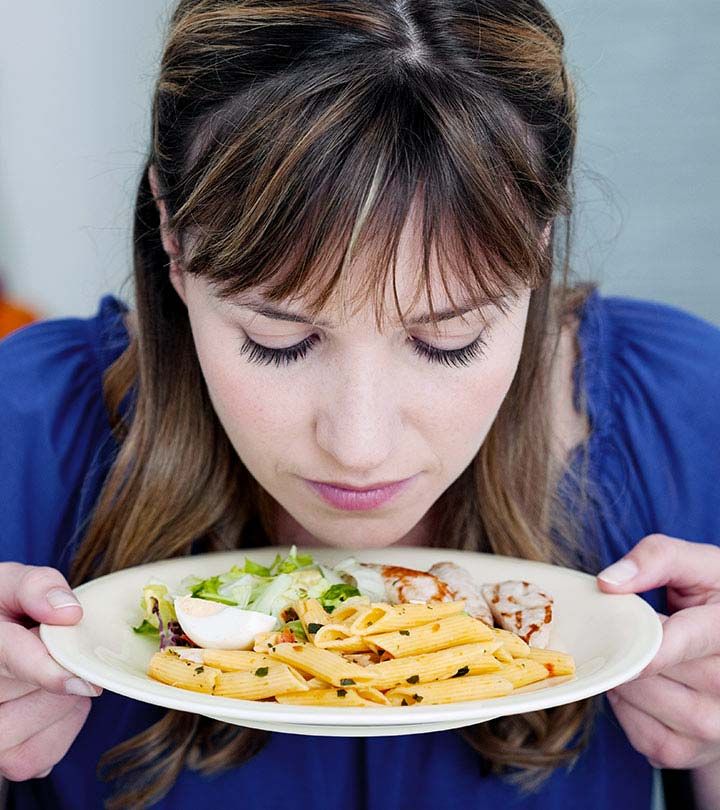
Loss of smell after a head injury can vary. There’s hyposmia, or partial loss of smell. Anosmia is a complete loss. Dysosmia distorts smell. Hyperosmia increases odor sensitivity. Then there’s phantosmia. This is when people smell things that aren’t actually there.
Loss of Taste

Loss of taste is similar. There’s dysgeusia, when taste is distorted. Ageusia, or complete loss of taste. And parageusia. This leaves a persistent bad taste in the mouth.
Do All Head Injuries Cause Loss of Taste and Smell?
No. Not all head injuries affect taste or smell. It all depends on where the damage is. Parts of the brain areas involved in smell are:
- The orbitofrontal cortex (behind and above the eyes)
- The insula (beneath the ears)
- The piriform cortex (connects key sensory areas)
Smaller olfactory regions also play a role. Like the cribriform plate. The thin bone behind the nose. When it’s damaged, the olfactory nerves can become stretched. Damaged. Or even severed. This can cause partial or total loss of smell.
The Impact of Loss of Taste and Smell After Head Injury

This much is obvious. Losing the ability to taste and smell seriously impacts eating. Enjoying food. Some lose weight unintentionally. Simply because eating becomes less appealing. But nutrition is important for health! Physical and mental. Loss of taste can also impact memory. The olfactory bulb is directly connected to the amygdala. The emotional memory center.
Then there’s the safety risk. It’s hard to detect a fire if you can’t smell smoke. Same with gas leaks. Or spoiled food. See how things could be dangerous?
Then, there’s the whole emotional component. Smell and taste shape our world. Roses. Freshly cut grass. Bright citrusy notes. Your favorite foods. Chocolate. Spicy curry. Your grandmother’s famous apple pie. Loss of taste and smell after a head injury can cause sadness. Social withdrawal. Anxiety. Depression.
How Is Losing Taste and Smell After a Head Injury Treated?
Treatment depends on a few things. How severe the injury was. The sensory changes that occurred. Where it happened. Some taste issues may respond well to medication. Like Gabapentin. You can try stimulating any remaining sense of taste. Think strong flavors. Spices. Lemon. Garlic. Pickles. Mustard. Add texture to food with a bit of crunch. By sprinkling seeds or nuts on meals. Suck on an ice cube before eating. This may enhance sweet flavors. Food safety is critical. Check expiration dates. Throw out food you’re unsure of.
Loss of smell can be more difficult to treat. Especially with a brain injury, rather than damage to the nasal passages. Nervous system retraining might help. Particularly, Smell Retraining Therapy (SRT). Sometimes referred to as Olfactory Training. It works with brain neuroplasticity. Involving repeated exposure to strong, familiar scents. Like lemon. Eucalyptus. Rose. Clove. The goal? To stimulate olfactory nerves. And create new “scent memories.” Results vary. And success rates are modest. Some people do experience gradual improvement, though. But practice must be consistent. Smoke and gas detectors (that work) are essential.
Experiencing Loss of Taste and Smell After a Head Injury?
Losing your sense of taste and smell can be devastating. Understand how serious it is. This is a major life change. It deserves proper attention. Explore treatment options. Support nervous system health. Take care of your emotions. Consider healing through chiropractic. It could help. Especially network spinal chiropractic care. It’s a holistic approach. Because healing isn’t only physical. It’s sensory. It’s emotional. It’s whole-body. And you deserve to thrive.