
You are what you eat. You’ve heard it before. Most people think it’s about weight. Appearance. Physical health. But food doesn’t just change your body. It changes your brain. It impacts your mood. Changes how you handle stress. The ability to focus. Emotional resilience. It’s why sweets are so good when you’re sad. Ice cream. Cookies. Cake. Gummies. Chocolate. Sugar lights up the brain. With feel-good chemicals. Quick spike of feeling fabulous. Followed by a fast crash. This affects mood. Focus. Energy. Nervous system balance. Introducing the real impact of nutrition on mental health.
The Impact of Nutrition on Mental Health and Emotions

What we eat impacts everything. Most don’t think about the impact of food on mental health. Sure, they know processed foods aren’t great. That eating lots of sugar and carbs isn’t healthy. But the impact of nutrition on their mental health? Not so much. Here’s the thing, though. The brain needs a steady supply of nutrients. It’s how it functions best. Just like the way the body works. Fatty acids. Healthy carbs. Proteins. Minerals. Folic acid. Zinc. Water.
These nutrients help regulate mood. Hormone levels. Cognition. What you eat directly influences neurotransmitters. Including serotonin. Dopamine. GABA. These are the big three when it comes to mental health. They regulate mood. Focus. Emotional stability. Sleep. This explains the role nutrition plays in mental health support. Especially in kids with ADHD. Or adults with chronic stress.
Say nutrition is inconsistent. Maybe processed foods are a regular part of your diet. Or you regularly consume sweet, sugary carbs. You might not notice how these foods affect your mood. Mental health often suffers quietly at first. Shows up as irritability. Brain fog. Low motivation. Anxiety you can’t explain.
The Standard American Diet (SAD) is linked to higher risks of depression. Anxiety. Think processed foods. Sugar drinks. Processed meats. Cheeses. Saturated fat. Added sugars and refined carbs can make a bad mood worse. And impair brain function.
Food and Its Impact on the Brain and Nervous System
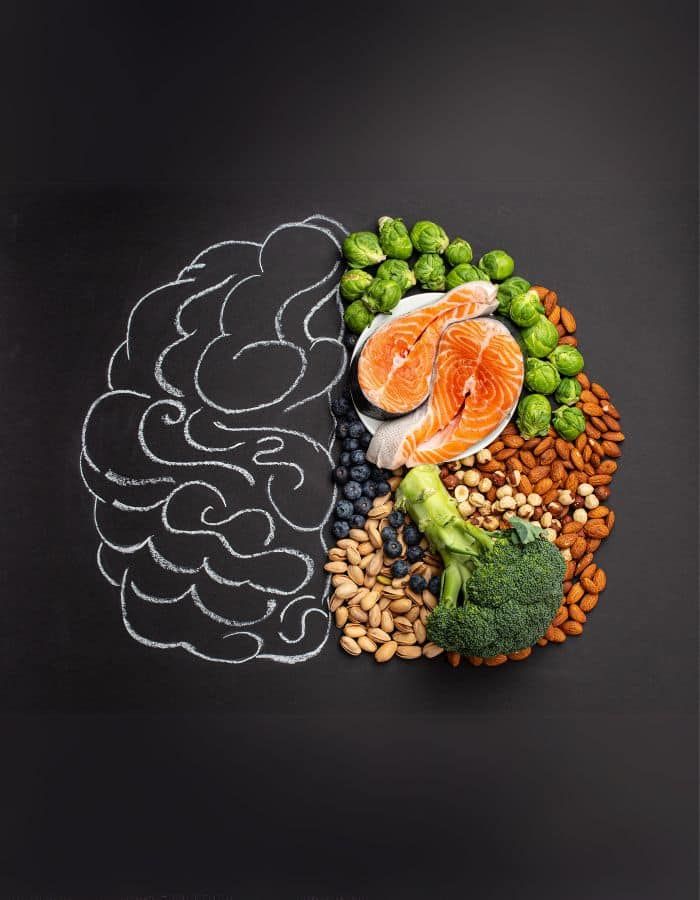
The body turns food into fuel. The brain turns food into clarity. Or chaos. Carbohydrates provide energy. Immediately. Proteins supply amino acids that create neurotransmitters. Healthy fats support brain structure. Nervous system signaling. Micronutrients regulate mood. The stress response. Zinc. Magnesium. Folate. B vitamins. The brain and nervous need all this to function effectively.
Suppose the brain doesn’t get the nutrients it needs. Or blood sugar drops too low. The brain reacts quickly. With confusion. Irritability. Feeling emotionally reactive. Most people don’t connect it to food. But the nervous system always knows. Everything is connected. Including the brain and gut. Gut irritation signals the nervous system to cause mood changes. It’s believed this is linked to people with IBS and other gut issues having higher rates of anxiety and depression.
It’s All About Balanced Nutrition for Mental Health
Here’s the thing. Overloading the body with nutrients can backfire. There needs to be a balance. Like with anything. Too much can create dysfunction. It’s why Dr. Suzanna and I always tell clients this. Balance matters. It’s not about extremes. There’s no single superfood for brain health. No magic vitamin that creates emotional stability. Mental health thrives on healthy patterns. Not perfection.
A balanced diet provides steady energy. Instead of spikes and crashes. It supports hormone regulation. It’s one of the best natural remedies for anxiety. Calms the nervous system. Helps the brain feel safe. Grounded. Stable. Some people over-focus on carbs or sugar for energy. Then often miss critical nutrients. Like those that support cognition. Emotional resilience. That’s when mental fatigue appears. When mood swings manifest. But not because something’s wrong with you. The brain is just malnourished.
Support Mental Health With Mood-Boosting Foods

Food can be your brain’s best friend. Or worst enemy. Choosing foods that support emotional well-being can change everything. Here are some foods we recommend to clients as holistic chiropractors. Food that supports mood. Focus. Mental clarity. Nervous system health.
- Leafy greens like spinach and kale for magnesium and folate
- Fatty fish, such as salmon or sardines to get omega-3 fatty acids
- Eggs for choline and proteins that support the brain
- Nuts and seeds that deliver healthy fats that supply steady energy
- Berries with high antioxidants, like blueberries, cranberries, and raspberries to protect brain cells from free radical damage
- Fermented foods, including yogurt, kefir, and sauerkraut that support the gut-brain connection
- Whole grains that provide stable blood sugar levels for sustained focus
These foods work overnight. They work with consistency. Consumed over time.
Foods to Avoid for Better Moods
Here’s the key. Some foods support your mood. Others, not so much. But it’s not about restriction. It’s about awareness. And balance. Making healthy choices. But giving yourself some space. Some of the worst foods for mood include:
- Highly processed foods that inflame the gut
- Excessive refined sugar intake, which causes energy and mood crashes
- Greasy foods that wreak havoc on digestion
- Excessive dairy can lead to brain fog, especially when sensitive to inflammation
- High fiber foods in large quantities when you’re already stressed
When the gut’s overwhelmed, the brain feels it. The nervous system doesn’t separate physical and emotional stress. It’s all connected. Like when emotions cause physical pain. Mind. Body. Energy. It’s all one.
Taking a Natural Approach to Nutrition and Mental Health
The impact of nutrition on mental health is huge. It’s measurable. Deeply personal. Very real. Emotions don’t just exist in the mind. Neither do your moods. Mental health is in the nervous system. The spine. The gut. Your energetic body. Nutrition is one of the most powerful ways to naturally support emotional balance. Not with fad diets. It requires a balanced diet. Rich in nutrients. There’s still room for a cupcake. But the majority of the food you eat should be supportive. Not stressful. This is how to stabilize moods. To live clear-headed. And allow the nervous system to finally exhale.